

- Key Takeaways
- Why Emergency SEO Demands a Different Approach
- Master Your Emergency Service SEO Strategy
- Understand the Panic Search Mindset
- Build Instant Digital Trust
- Beyond the SEO Basics
- Measure What Truly Matters
- Conclusion
- Frequently Asked Questions
- What is emergency service SEO?
- How is emergency SEO different from regular local SEO?
- Why is understanding the panic search mindset important?
- How can I build instant digital trust for emergency services?
- What SEO basics still matter for emergency services?
- Which metrics matter most for emergency service SEO?
- How fast can I see results from emergency service SEO?
Key Takeaways
- Emergency service SEO emphasizes immediacy and proximity, so it needs to favor “near me,” “open now,” and 24/7 access instead of conventional longer-term brand searches. If your business is prominently showing up in local search, maps and voice results, you are going to have a big advantage when people are feeling the pressure.
- A good emergency SEO plan merges optimized Google Business Profiles, emergency service pages, and proper local signals like consistent NAP. Keep your hours, service areas, and emergency services up to date so search results always reflect your actual availability.
- Your emergency service SEO website content should emphasize particular urgent solutions, like burst pipe repair or emergency electrical work, and make getting in touch with the business easy. Include obvious ‘call now’ buttons, click-to-call numbers, and easy one-two step help for common emergency situations.
- Mobile experience is absolutely essential for the type of emergency searcher who likely is on the go and stressed. Optimize for speed on mobile, click-to-call functionality, and flows that get users to emergency contact options as soon as possible.
- Online reputation and digital trust signals heavily influence snap decisions in emergencies. Aggregate and respond to reviews that mention fast response and reliability. Display certifications, guarantees, and top ratings across your website and profiles.
- Ongoing measurement and iteration ensure your emergency SEO remains effective as your situation evolves. Trace calls, map clicks and emergency keyword rankings, then employ analytics, schema markup and voice search testing to perfect your approach over time.
Emergency service SEO is the practice of getting urgent-care providers, plumbers, HVAC squads, roadside assistance, and other on-call services discoverable when customers require immediate assistance. Search is typically conducted on a phone, in a hurry, and within a short distance of the user, so effective local SEO, accessible contact information, and up-to-the-minute updates are essential. Several emergency-centric sites trust GBP, local keywords, speed, and 24/7 signals to secure clicks. Small wins, like improved service pages and location-based content, can drive more calls and form leads. The following sections break down key actions, resources, and case studies that meet actual emergency service requirements.
Why Emergency SEO Demands a Different Approach
Emergency service SEO has to capture how people behave when something breaks and they need immediate assistance. Their search behavior, device use, and content needs will be different from someone leisurely comparing long-term service options.
Emergency searches gravitate toward proximity, speed, and real-time availability over slow-burn things like blog depth or industry thought leadership. A guy with a burst pipe doesn’t read a 2,000-word guide and searches for who is nearest, open, and can be there in 30 to 60 minutes. Search engines read this pattern as well. In these moments, local packs, Google Maps listings, and ‘open now’ filters trump typical ranking factors. Studies indicate that approximately 76% of folks who conduct a local search on their smartphone end up visiting a business within a day. For “emergency HVAC repair” or “24 hour locksmith,” that window is often under 1 hour, so visibility in local and map results is the heart of emergency SEO.
Most emergency search is done on mobile, frequently with only one hand and distracted attention. Pages have to load quickly since, with each additional second of delay, the probability that the user will abandon and choose a competitor increases. Mobile layouts require big, thumb-friendly click-to-call buttons with an explicit phone number, positioned above the fold and repeated as you scroll. A ‘call now’ button connected to the device dialer is more important than a long form. Users in distress want action, not a long read, so emergency pages perform best with 400 to 600 words of tight, targeted copy. They require easy-to-find snippets declaring what you repair, which locations you service, and how quickly you can arrive, not lengthy technical jargon.
User intent is immediate and focused. They enter keywords such as ‘emergency plumber near me’, ‘24/7 electrical repair’ or ‘emergency HVAC repair’. These are unambiguous, intent-laden strings that deserve their own pages, metadata, and internal links. In this state, individuals make quick decisions and skim for credibility. They look for proof of licenses, insurance, years in business, real reviews, and clear statements like “Open 24/7” and “Average response time: 45 minutes.” If the page loads quickly, displays an obvious headline, provides current availability, emphasizes response time, and gets the call one tap away, it is more likely to capture that emergency search.
Master Your Emergency Service SEO Strategy
Emergency service SEO should align with how people truly search during an emergency. Most urgent searches occur on mobile, within a defined geographic location, with explicit intent to quickly call. The aim is simple: show up in local results, prove you are available now, and make it effortless to contact you within a few seconds.
1. Your Google Profile

Begin with a comprehensive and optimized Google Business Profile. Use your exact NAP and select specific categories like “Emergency plumber,” “Emergency locksmith,” or “24-hour electrician” in addition to just generic ones. Add all services you actually provide, like “burst pipe repair,” “lockout service,” or “no-heat emergency repair” so Google gets your range.
Configure normal and special hours that align with true availability including nights, weekends, and holidays. Emergency Service SEO is important; if you provide 24/7 cover, mention it in the hours and the business description, and update it quickly when coverage changes.
Post some crisp images of your team, trucks, and tools in action on a job. This can establish trust, particularly for individuals who are anxious or feeling unsafe. Then, ask happy customers to leave reviews that mention the emergency context, such as “arrived in 30 minutes for a gas leak” or “unlocked our door at 02:00.
2. Your Website Content
Build separate landing pages for key emergencies: “burst pipe repair,” “no hot water,” “emergency AC repair,” “locked out of house,” and so on. Target psychotic, symptom-based keywords like “water heater leaking everywhere” or “toilet overflowing.” Focus on what people really type when they freak out, not just “emergency plumber.
Put a prominent phone number and “Call now for 24/7 help” button at the top of every page, in the header and footer. Don’t make them scroll to discover how to reach you.
Add short, calm guides for urgent steps: how to shut off water, what to do if you smell gas, or basic safety checks before you wait for the technician. This helps users and delivers powerful relevance signals to search engines.
3. Your Local Signals
Local SEO is essential for emergency service providers, as users are likely to search using ‘near me’ or their street or neighborhood. Google also recommends keeping Business Profile information complete and accurate as part of improving local visibility. Establish consistent citations in the major directories with the same NAP as your Google profile. Scan for old phone numbers or addresses and clean them up. Mismatches can dilute local trust signals.
Add localBusiness schema on your site with your name, address, phone, hours, and service types. Write service area pages that describe, in plain language, the cities, districts, and neighborhoods you truly serve. For example, we serve the Westside and all suburbs within a 25 km radius.
Think hyper-local searches such as ‘emergency electrician downtown’ or ‘24-hour plumber greenfield.’ Include those names in headings, meta titles, and body copy where it makes sense. Look for local backlinks, including community sites, local news, and even housing associations or property managers who can reference your emergency support.
4. Your Mobile Experience

That a huge percentage of emergency-intent searches are coming from smartphones, so mobile experience is not optional. Optimize your mobile page speed first. Slow pages drift away users, even when they’re dying for it. Compress images, minimize scripts, and simplify layouts to aid pages in loading in less than a few seconds on an average mobile connection.
Turn on click-to-call on all phone numbers and make call buttons nice and big for one-handed taps. Put that button at the bottom of the screen on important pages so they never have to search for it.
Include a clean mobile menu that prioritizes “Emergency services,” “Call now,” and “Service areas” at the top. Strip away distractions that won’t assist during an emergency. Test the site on different phones and networks, measuring the number of taps from search result click to call. Continue to bring that number down.
5. Your Online Reputation
Reviews and ratings are hugely important in the Local Pack, making effective review management an important part of maintaining trust with potential emergency customers. Keep your rating at 4.5 stars or above with a strong stream of recent reviews. After every job, send a brief text with a direct review link, requesting the customer to mention response time and how safe or supported they felt.
Respond to all reviews, good and bad, in a collected and objective manner. For the less-than-stellar ones, describe what you did to address the problem or what will be different going forward. This can help to comfort new visitors who stumble across the thread. Display your leading Google reviews and some powerful testimonials on your homepage and key emergency pages, in addition to any licenses, certifications, and insurance verification.
Since conversion rates for emergency keywords such as “emergency plumber near me” or “24/7 HVAC repair” can surpass 40%, slight improvements in trust can translate into a big increase in booked jobs.
Understand the Panic Search Mindset
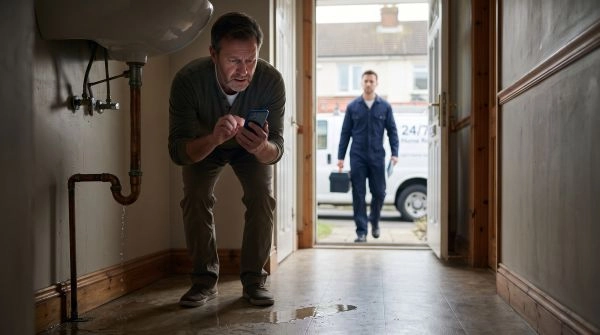
Panic searches are quick, dirty, and fueled by urgency. For emergency service SEO, it’s not about deep research journeys. It’s about capturing that one high-stress moment on a mobile screen.
Search in emergencies turns to short, urgent word fragments that mimic the way the mind works under pressure. Most will enter “emergency plumber now,” “nearest ER,” “24 hour dentist,” or “emergency tooth extraction.” More than 80% of these searches occur on mobile, therefore the query is generally short, straightforward, and intent-heavy. People add place words by default, like ‘near me,’ city names, or ‘open now’ because they don’t have time to wade through generic results. That’s why ‘emergency plumber near me’ or ‘urgent dental care [city]’ tends to beat out plain old service terms.
In this mindset, ranking for immediate-action keywords trumps ranking for general, high-volume phrases. Search queries that reflect this panic search mindset, such as “who is open now,” “can you fix my exact problem today,” or “same day emergency repair,” indicate obvious buyer intent. On organic results and paid ads, pages and ad copy should reflect these phrases in titles, meta descriptions, and call-to-action lines. A user who sees “24/7 emergency electrician – at your door in 60 minutes” is more likely to tap than on a vague “full electrical services” headline, especially at 2:00.
The psychology behind these queries is typically one of panic or at least intense stress. Anyone up at 3 a.m. With a burst pipe, toothache, or sick kid needs a quick, straightforward solution — not buzzword bingo. They take what looks like the first good and available option and do not compare lots of sites. That renders trust signals and speed vital. A one-second delay in page load can reduce conversions by roughly 7 percent, an expensive loss when mobile users might only allot your site a few seconds. Nothing satisfies that urgency like clean design, clear phone buttons, visible hours, and straightforward “call now” or “book now” paths.
Build Instant Digital Trust
Digital trust determines whether someone with an immediate need remains on your site or returns to their search page. In emergency service SEO, that judgment is made quickly. Visitors glance at your page, decide if you look authentic, and they’re gone in seconds. Design, content, and search visibility all combine to demonstrate you are trustworthy, secure, and available to convert.
Provide instant digital trust with real-time availability indicators like “Open Now” or “30-Minute Response.” These little touches pack a big punch when someone is frazzled and pressed for time. If a parent with a broken pipe at 02:00 sees “24/7 | Open Now | Average arrival 30 minutes,” that line answers the first question in their mind: “Can they come now?” Bringing live status into your GBP, clear 24-hour service hours, and straightforward response-time ranges across your site eliminates uncertainty. It fits search intent, as folks frequently append “near me” and “open now” to these emergency searches.
Show credentials, insurance, and experience to put potential clients at ease. When digital trust is lost, it is hard to win back, so put proof where users first look: in the header, hero area, and above the fold. Clearly display license numbers, insurance cover, and any safety or industry certifications. For instance, a fire damage company could display “Certified restoration technicians, 15+ years in emergency call-outs, and fully insured.” These specifics make users sense that their information, household, and loved ones will be handled with care.
Build instant online credibility with customer testimonials and before-after photos. Demonstrate your dependability and emergency-saving track record. Trust is frequently constructed in that first scroll. Display brief snippets of testimonials close to your primary call to action. Keep them specific: “Arrived in 25 minutes, leak stopped, clean-up done same evening.” From before-and-after photos of flooded rooms or busted locks to damaged electrical panels, you can see exactly what you repair without overhyping it. When they see real homes, transparent dates, and plain language, they’re much more likely to think you can deal with their case as well. In the long run, this cultivates an authoritative and professional online footprint that sustains enduring digital trust.
Display guarantees like ‘No Call-Out Fee’ or ‘Satisfaction Guaranteed’ to ease reluctance. Easy, specific pledges reduce the perceived risk of phoning you rather than a competitor. Something like ‘No call-out fee in 15 km’ or ‘If we can’t fix it on site, you don’t pay for labor.’ Your guarantees should be honest, brief, and easy to discover on mobile and desktop. Explicit policies safeguard you and the user and demonstrate that you honor their rights and privacy, which is critical in public safety situations and any digital-native platform. When your design, SEO, and these trust signals are in harmony, that first impression can transform cold visitors into callers within seconds.
Beyond the SEO Basics
Emergency service SEO is more than just keywords and meta tags. It relies on precise information, live indicators, and unambiguous formatting so search engines can believe you are open, quick, and nearby when someone needs help.
Real-Time Updates

For emergency providers, stale info can cost calls. Marketing automation can help update workflows and trigger notifications when hours, coverage zones or response capacity shift due to holidays, staff shortages or big events. A quick mention at the top of a ‘Services’ or ‘Areas We Cover’ page, combined with obvious quality content, allows users to quickly determine if you can address their immediate needs.
For system outages, show delays, arrival windows, and backup phone or chat options during major storms or traffic shutdowns. Easy, date-stamped notices reduce frustration and cancellation rates. A static “Service Status” page that you update frequently can anchor these notifications and facilitate internal linking from your home page and important city pages.
Use banners or pop-ups on your site for messages like “Anticipate 30 to 45 minute waits” or “Emergency line only for life-threatening situations.” Keep these light so they work on mobile, and compress images with descriptive file names and alt tags so load time stays low on slow networks.
Sync hours and “open/closed” status on Google Business Profile, Apple Maps, Bing Places, Facebook and major local directories. This assists voice assistants in extracting identical real-time information, which is important in the age of most users being on mobile devices.
Advanced Schema
Schema transforms your crisis site into organized information search engines can digest quickly. Add Service and, where appropriate, emergency-focused schema to pages for plumbing, electrical, medical or roadside assistance so search engines can display specific services in rich results. On multi-city sites, tag each location page with local business or a more specific subtype and list the address, phone, service radius and geo coordinates.
FAQ schema helps when you’re in a hurry asking, “How fast can you get here?” or “Do you handle gas leaks?” When these appear as rich results, users have answers before they click and those clicks are even more likely to convert. Review schema, leveraged with actual customer quotes on emergency work, can display ratings and brief quotes in snippets, engendering trust at a glance.
Voice Search Readiness
More people ask phones or smart speakers for assistance rather than typing. Structure your content for natural language, not just short keywords. Use headings and brief paragraphs that sound more like people talking — for example, “How quickly can your emergency crew get here?” or “What should I do until the ambulance arrives?” It favors quality, helpful content that satisfies user intent.
Aim long-tail, question-based terms such as “Who is the fastest 24-hour locksmith near me?” on location pages and blog posts. Internal links from broader guides to these specific pages assist users and search engines in navigating your site and comprehending its structure.
Ensure name, address, phone, and hours are precise and consistent so Google Assistant, Siri, and other tools can serve up your listing with certainty. Test outcomes by conducting actual voice searches on various devices, in various locations, and at various times of day. Pay attention to Google Search Console and analytics for which emergency phrases drive impressions and calls. Then, tweak content, technical settings, and backlinks from trusted local sites to align with how people really search.
Measure What Truly Matters
Emergency service SEO thrives or fails on what occurs in those minutes when someone requires assistance. The numbers that really count are the ones that determine if folks contact you quickly, receive rapid clarification, and then pick your squad!
Measuring core actions provides a more accurate picture than just measuring traffic. Establish analytics and a CRM that allow you to track emergency call volume from your site and form submissions for emergency assistance, as well as clicks for ‘call’ or ‘directions’ on Google Maps. For instance, compare calls from organic search during peak hours to those from paid campaigns. If a landing page generates high traffic with a low volume of calls or forms, that page is failing, regardless of its ranking.
Rankings still count, but only when connected to authentic demand. Monitor local search rankings for priority emergency keywords and service areas like “24 hour plumber near me” or “emergency dentist [city].” Monitor your appearances in the map pack and how many people tap through to your profile. Tie these roles to conversions and revenue, not vanity. A number three key phrase that generates consistent calls within a 10 km range is more valuable than a national term with no demonstrated connection to bookings.
On-site behavior reveals whether users believe what they read. For every landing page, track bounce rate, time on page, and conversion rate. If they bounce in three seconds, or if a one-second delay in load time reduces conversions by seven percent, that indicates a user experience problem, not an SEO success. Build a KPI set that links these signals back to business objectives, such as “calls per 100 visits” or “revenue per organic session,” and use it to direct adjustments.
Backlink data and realtime reviews complete the picture. Track referring domains, link quality and relevance, and anchor text diversity to keep off-page signals robust. Meanwhile, track response times, CSATs and review cadence to measure service quality. Since SEO impact is difficult to attribute to a single action, establish an easy review cadence monthly or quarterly to link trends in rankings, links, and UX to pipeline and revenue, and tune campaigns around that blend, not a single measure.
Conclusion
In summary, emergency service SEO is about urgency, credibility, and transparent evidence that you can assist immediately. People look for help hastily. They skim and select the initial provider that seems authentic, nearby, and willing.
Strong local pages, clear calls, live chat, short forms, and fast load times all reduce their stress. Good reviews, actual photos, and obvious price signals eliminate the uncertainty. Easy tracking reveals what generates actual calls, not just clicks.
To get started, choose one point of vulnerability. Fix your GMB. Focus your lead service page. Clean up your reviews! Start small, test fast and then build from there. Your next emergency lead might depend on that next modification.
Frequently Asked Questions
What is emergency service SEO?
Emergency service SEO is about ranking when people search in a crisis, like “24/7 plumber near me” or “emergency electrician.” It ranks fast, local intent, mobile experience, and trust signals so your business ranks first when customers require immediate assistance.
How is emergency SEO different from regular local SEO?
Emergency SEO targets urgent, high-intent searches and “right now” needs. It highlights 24/7 service, fast-loading pages, click-to-call buttons, transparent service areas, and robust reviews. Standard local SEO is wider and less focused on urgent searches and immediate conversion.
Why is understanding the panic search mindset important?
In an emergency, people scan fast and decide fast. They want transparent rates, evidence of trustworthiness, and immediate connections. By understanding this mindset, you’ll be able to craft pages that soothe panic, establish immediate trust, and convert those urgent searches into calls or bookings.
How can I build instant digital trust for emergency services?
Display actual reviews, ratings and testimonials. Show off your licenses, certifications, and insurance. Include obvious pricing or at least transparent ranges. Add actual photos, staff bios and obvious guarantees. Make your contact options visible and mobile-friendly.
What SEO basics still matter for emergency services?
Core basics still apply: keyword research, optimized titles and meta descriptions, fast mobile pages, local schema, and Google Business Profile optimization. What’s different is the emphasis on “emergency,” “24/7,” “near me,” and quick user funnels such as click-to-call buttons.
Which metrics matter most for emergency service SEO?
Key metrics are call volume from organic search, form submissions, direction requests, and conversion rate. Monitor local rankings for emergency keywords and response times, GBP engagement, and page speed. Actual business results, not merely traffic, demonstrate if your emergency SEO is effective.
How fast can I see results from emergency service SEO?
Timelines are dependent on the market and the competition. Technical fixes and GBP optimization can bring early gains in a few weeks. Good content, reviews, and local authority usually take two to six months to demonstrate stable, top-of-page emergency rankings.