
- Key Takeaways
- Why You Are Missing Leads
- Maximize Your Digital Presence
- Leverage Your Customer Base
- Turn Inquiries into Jobs
- Build Trust Beyond Digital
- When to Seek Expert Help
- Recognize when your internal resources are maxed out and growth has stalled
- Consider professional support to audit your marketing systems and identify missed opportunities
- Leverage expert help to automate follow-up, improve online visibility, and convert more leads
- Partner with a marketing agency that specializes in home service businesses to build sustainable lead generation systems
- Conclusion
- Frequently Asked Questions
- Why is my home service business not getting enough leads?
- How can I maximize my digital presence for more home service leads?
- How can I use my existing customers to generate more leads?
- What should I do to turn more inquiries into booked jobs?
- How can I build trust beyond my digital presence?
- When should I hire an expert to help with lead generation?
- What are the most effective channels for home service leads?
Key Takeaways
- Most home service businesses are already getting sufficient traffic and inquiries, but they lose leads because of weak capture systems, confusing websites, and slow follow-up, not because they need more advertising. Look at analytics, contact options, and paths that users take to see where they are dropping off or abandoning forms.
- A robust online footprint begins with local SEO, a fully optimized Google Business Profile, targeted service pages, and conversion-optimized design. Fresh content, simple calls to action, and contact methods that work on any device convert more visitors into actual leads.
- Your existing and former customers are often the quickest leading source of new work and referrals when handled with some basic segmentation, review, and referral processes. Scheduled email or SMS outreach, loyalty offers, and organized CRM follow-up keep your brand top of mind and spur repeat business.
- Converting inquiries into booked jobs requires immediate, ongoing communication and nurturing. Leverage scripts, canned replies, and timed follow-ups to rapidly qualify leads, provide answers, and nudge fence-sitters toward a decision.
- By tracking lead quality and conversion by channel, you can focus time and budget on what works best. Consistent reporting, defined metrics, and input from sales or office staff all help to calibrate your approach and optimize results over time.
- Offline trust-building through active community involvement, job site branding that makes your work visible and clear, and genuinely useful educational content undergirds your online marketing and draws higher-intent leads. When growth plateaus or your systems get too complicated to handle on your own, expert home-service-focused marketing support can help you scale dependably.
Home service leads are consumers that demonstrate clear intent to hire local service providers for jobs such as plumbing, HVAC, cleaning, roofing, lawn care, or repairs. They’re potential customers who provide their contact information or request a price estimate, phone call, or appointment. Leads can arrive from search engines, social media, ads, local listings, or referrals. Some leads are “high intent,” ready to book in a short timeframe, while others just want prices or alternatives. Quality lead flow allows home service businesses to keep crews busy, plan crew, and grow sustainably. In the next sections, the post dissects how leads operate, where they originate, and how to convert more of them into work.
Why You Are Missing Leads
A lot of home service companies already get plenty of interest, but lose leads silently at a few critical places. They frequently lie in the way you capture, track, and respond to people who reach out, not how much you spend on ads.
- No clear call-to-action on each page
- Long, confusing, or hard-to-find contact forms
- No click-to-call button on mobile
- No online booking or quote request option
- Missing or broken contact links
- No auto-response to confirm a form submission
- No mechanism to record phone, form, social, and email leads in a central location.
If website traffic isn’t converting to calls or bookings, it’s rarely the site itself that’s the issue. The true problem is what comes next. A lot of visitors abandon because they are not sure what to do, don’t trust the process, or don’t get a quick response. If they fill a form and wait hours or days without an answer, they move on. Research discovered that companies who follow up within 5 minutes are 9 times more likely to convert the lead than those who wait an hour. In home services, where timing is everything, even a few hours of delay loses the job.
Most homeowners simultaneously contact multiple companies for quotes. Seventy-eight percent of customers go with the company that responds first. That means an innocent procrastination in monitoring email or messages can wipe out all your marketing efforts. Without a unified lead tracking system, you risk forgetting folks who called once, messaged on social, or responded to a quote. They fall off because no one owns the follow-up.
Past customers and referrals are another overshot source. Many teams simply don’t follow up after a job, don’t ask for reviews and don’t keep in touch. This stops repeat and word-of-mouth leads that tend to close quicker and at higher margins. A quick heartbeat check by email or text, even once or twice a year, resurrects work that would otherwise go to a competitor.
No amount of ad spend will patch slow replies, weak follow-up, or poor tracking. In reply, either not following up whatsoever or replying the exact same generic response to each and every one damages returns. Without personalization, people feel like a number, not a person with a real problem at home. A quick note that includes their name, references their problem, and provides a straightforward follow up will get noticed, even if your price is not the lowest.
Maximize Your Digital Presence
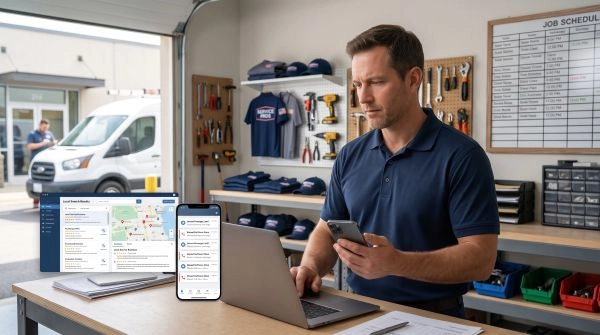
A powerful digital presence is now core to the way home service companies earn trust, get clicks, and convert clicks into booked jobs. With over 85% of folks searching the web to find local service professionals, your site, listings, and reviews are what determine if they give you or the competition a call.
1. Local SEO
Local SEO gets your business to pop up when people search “plumber near me” or “AC repair in [city]. Begin with core pages that identify your city, surrounding suburbs and service radius in kilometers, and name them in titles, headings, and brief, transparent text. For your major cities or districts, make separate service area pages, each with plain language about typical jobs in that area and what differentiates those jobs.
Local group backlinks transmit powerful trust signals to search engines. Get involved with local trade groups, sponsor a school event, or team up with property managers and then request a link from their site to yours. Well-tended local listings likewise aid prominence, so complete profiles on key sites with images, offerings, and precise categories.
Be sure to keep the same name, address, and phone number on every listing. Even minor variations can confuse search engines and dilute rankings.
Request pleased customers to post genuine testimonials about your town or area. Reviews act as digital word of mouth and frequently move the needle when a consumer is balancing two equivalent vendors.
2. Google Profile
Claim and verify your Google Business Profile to control how your business appears on Google Search and Maps. Optimizing your Google Maps and local search visibility can also help prospective customers find accurate business information when they’re ready to contact a provider. Everyone is going to see this before they see your site, so make it a mini home page. Maintain hours, service areas, and contact information, and post genuine photos of your team, trucks, and completed projects.
Respond to all reviews and questions, positive and negative, with calm, factual tones. This demonstrates that you’re hands-on, paying attention, and willing to resolve issues. Google Posts can be a tool that you use to share seasonal offers, simple maintenance advice, or mini case studies from recent work, which keeps your profile fresh and helps get more views and calls.
3. Service Pages
Dedicated service pages help search engines and humans understand what you do. Maintaining these pages with accurate, useful, and regularly updated information is an important part of effective content management. Have one page for each key service, such as water heater repair, roof inspection, and deep cleaning. Explain in plain language what the service entails, who it is for, and the usual timing.
Include price ranges or transparent pricing guidelines wherever possible. Many buyers bounce from sites that mask every last price figure. Basic FAQs on property access, prep work, or warranty terms minimize back-and-forth and make leads more comfortable.
Mini testimonials and before-and-after pictures provide actual evidence. A text caption such as “Clogged drain cleared in 2 hours in central district” connects an output to a location and aids both SEO and trust.
Use internal links to lead individuals from general pages, for instance, “Plumbing Services,” into more specific pages such as “Emergency Leak Repair” or “Drain Cleaning,” so they progress incrementally towards the precise service they require.
4. Website Conversion
Your site is more than a virtual pamphlet. It’s your primary home service lead conversion weapon. It is simple to place contact forms on vital pages, request only what you need (name, address, contact, short message), and ensure they work on mobile.
Post your phone number in the header and footer and create a click-to-call option for mobile. Most users would rather call straight away than complete a form, especially if it’s an urgent assignment.
Incorporate trust cues like trade licenses, insurance badges, certifications, and guarantee text close to your forms and buttons. Display a few review snippets or rating scores near calls to action, as online reviews have become as influential as personal recommendations.
Use simple tracking tools, like analytics and call tracking, to discover which pages and channels deliver the best leads, not just the most traffic.
5. Stronger Calls‑to‑Action
Put obvious buttons such as “Request a Quote,” “Book a Visit,” or “Get 24/7 Help” well above the fold so users see them without scrolling. Match the wording to the page: a drain cleaning page might say “Schedule Drain Cleaning Today,” while a maintenance plan page might say “Get Annual Service Plan Details.
Use gentle urgency where it fits, such as “Same-day slots often fill by 15:00” or “Winter check-up bookings close this month.” Use candid and clear language.
Tailor CTAs by location or service where appropriate. Display ‘Book a roof check in North District’ to people browsing roofing in that area. Follow click-through and form submissions for every CTA variation and optimize color, size, and text based on actual data, not guesswork.
Leverage Your Customer Base
Leverage your customer base means making your current clients a perpetual pipeline of home service leads, repeat work and referrals. It depends on explicit data, straightforward systems and ongoing follow up, not one-shot campaigns.
- Segment your customer base. 1. Classify customers by service, such as plumbing, electrical, and landscaping.
- visit frequency,
- property type (apartment, single-family home, commercial),
- spend level, and
- responsiveness to past offers.
Leverage your customer base. Use a centralized CRM that records contact details, service history, and notes on preferences, like preferred contact method or time of day. This provides distinct visibility into who will book again or refer. Then build small, focused lists: recent high-value clients, yearly maintenance clients, one-time emergency jobs, and inactive clients. Every group receives a unique message and offer.
Push email and SMS campaigns targeted at each segment. For example, annual maintenance reminders to clients who booked inspections last year or a brief SMS to emergency repair customers offering a quick follow-up check. Since home services customers typically reach out to multiple companies and select the first with a reasonable quote, quick responses and concise, clear messages count.
Put loyalty and referral rewards on top. Offer simple and transparent perks: a small discount on the next job, a free safety check after two paid visits, or a credit when a referred friend completes a service. Of course, keep rules easy, one or two lines, so customers recall them.
Leverage your customer base. Use every touchpoint to collect quick feedback. Quick surveys via email or SMS post-job enable you to identify happy customers who might be willing to add a public review or enroll in a referral program. Over time, this information reveals true needs and patterns, allowing you to tailor services and pricing to suit your local market more closely and increase customer loyalty.
Customer Reviews
Request reviews immediately following a successful visit, while the work remains fresh in the customer’s memory. Simple messaging with a straightforward link to Google Reviews or another key platform tends to perform best and makes the process easy.
Highlight positive reviews on your website, search profiles, and in quotes. Add real names, services, and locations when you can, as this makes the feedback more credible and valuable for new visitors who are scoping out multiple providers.
Use bad feedback as a beacon, not a danger. Respond in a measured, businesslike tone, explain what happened in layman’s terms and provide a logical course of action, such as a re-visit or partial refund if appropriate. Public, well-thought-out responses demonstrate responsibility and concern, which can help facilitate trust despite the less-than-stellar review.
Monitor key review sites on a schedule, not just when the situation becomes critical. This lets you respond quickly, thank satisfied customers, and maintain an up-to-date picture of your online reputation.
Referral Systems
Establish a referral system that provides concrete incentives to both the referrer and the new customer. For instance, provide each a set credit towards the next service or a set cash figure after their first paid booking and put the rules in one concise sentence.
Use your customer base. Use digital referral links in emails and SMS, and easy-to-carry cards that your field staff can distribute at the end of a job. The easier it is to refer, the more they will refer.
Promote the program in your regular touchpoints: add a short line to email signatures, invoices, and booking confirmations, and pin a clear post on your main social media pages. A lot of customers won’t realize that a referral choice is available unless it gets mentioned frequently.
Monitor all referral origin in your CRM so you can understand which channels and incentives perform best. Over time, you can increase or decrease incentives, abandon weak channels, and emphasize more customers and neighborhoods that refer higher value jobs.
Past Customers
- Send occasional “service check-in” messages to customers we haven’t seen in 6 to 12 months.
- Give seasonal reminders of real needs such as pre-winter heating checks or pre-monsoon roof inspections.
- Send brief, practical tips by email or SMS that correspond to the services they previously used.
- Use Lull – invite dormant customers back with a one-time “welcome back” discount.
Capitalize on your customer base. This easy action keeps the connection warm and demonstrates a professional attitude toward customer service, which can increase retention in the long run.
Leverage your customer base or use what you know about former jobs to recommend smart add-ons. If you cleaned gutters last year, offer roof checks. If you installed air conditioning, advertise a yearly tune-up plan. This kind of upsell feels useful when it addresses genuine estate needs, not arbitrary services.
Maintain a tidy CRM and schedule follow up reminders at regular intervals. With automated and personalized messages, you save time while still sounding human and decrease the chances of overlooking solid repeat business from people who already trust your work.
Turn Inquiries into Jobs
About converting home service leads into paid work begins with how you manage the initial touch. A transparent, frictionless experience supported by nimble technology allows you to act quickly, screen out wrong fits, and maintain warm leads until they convert.
Prompt Follow-Up
Research indicates the likelihood of converting a lead into a job spikes when you make that contact in the first five minutes, so automation is significant. Use auto-reply SMS or email to tell you got the request, share your response hours, and describe the next step, such as a quick call or short form about the job.
Give one person on each shift clear ownership for new leads. They should get real-time notifications from your website form, marketplaces, and messaging apps into a single inbox or CRM, then call or text back immediately. Qualify fast by asking direct questions: location, job type, access limits, budget range, and how soon they need help. This is where you cull leads outside your service area, low budgets, and work you don’t do.
With brief, simple templates for SMS, email, and call scripts, every response is consistent and concise. These tips aren’t enough to turn inquiries into jobs. I’ve been surprised by how many studios don’t do even this basic step. Remind your team to follow up if they don’t respond and tag bad or duplicate leads so your team won’t waste time twice.
Lead Nurturing
Not every inquiry is bookable the same day. Create a straightforward follow-up sequence that lasts 7 to 21 days for wishy-washy leads. Lead with a thank you, then sprinkle in spaced check-ins by SMS or email to keep your business top of mind, but no pressure.
Provide valuable, bite-sized information that matches their appetite and schedule. For instance, a lead inquiring about a new roof can receive a one-page guide on roof types and a short case study with photos and ballpark prices. A client requesting regular cleaning could receive a checklist outlining what is included in a typical 2-hour visit. This type of content addresses the regular questions in our head around cost, credibility, and scale.
Make little customizations so emails seem applicable. List their city, the room or system they inquired about, and the timeframe they provided, such as “before winter” or “this month.” Have simple tags in your CRM, like service, urgency, and budget band, that trigger the right content and tone. Light AI can score intent and budget from forms and messages, then route hotter, higher-value leads to your best closers first.
Automate most of this inside job management or CRM software, so no one has to remember each touch by hand. Mobile-friendly reply tools allow field staff or office managers to nudge saved replies and updates on the go. All touches, outcomes, and notes should live in a single place for the entire team.
Quality Tracking
Measure your conversion of leads to discovery calls to booked jobs, etc. Turn inquiries into jobs. Apply filters for service area and task type so you concentrate on your top five services in the regions where you operate best. Map ZIP codes to travel rules and configure inquiry forms to block or flag jobs outside that range.
A simple dashboard makes quality visible:
| Metric | What it Measures | Why it Matters |
|---|---|---|
| Contact rate | % of leads you reach live or by reply | Shows speed and reach of your first response |
| Appointment rate | % of contacts that book a visit or call | Shows strength of your pitch and fit |
| Close rate | % of appointments that become paid jobs | Shows sales skill and quality of leads |
| Revenue per job (€) | Average income per completed job | Shows profit per win, not just volume |
About: Turn Inquiries into Jobs Review these by channel (website, ads, marketplaces, referrals) to see which ones give you steady, high-close, high-revenue work. Turn questions into jobs. Use feedback from sales staff and techs to hone your screening questions, budget ranges, and “bad lead” rules. Then update your forms and routing. Create brief weekly or monthly reports so you can identify drops or surges quickly and fine-tune scripts, response times, or filters before issues escalate.
Build Trust Beyond Digital
Home service leads come from humans who sense they can trust you, not just from clever ads or a slick site. Trust builds over time through repetition, consistent action, and transparent evidence that you’re both skilled and invested in the community you’re serving.
Community Networking
Community networking is about appearing where your perfect clients already convene. Get involved in local business clubs or a chamber of commerce, and regard them as communities for cultivating reliable, long-term connections, not tough-sell outlets. Other members may be real estate agencies, property management firms, or hardware stores. These folks will refer work to you if they find you to be able, reliable, and pleasant to work with.
Things like neighborhood meetings or home shows where homeowners can put a human face to your brand. Folks tend to hire the company they recall, and that recall develops when they see your name and hear your story multiple times. Bring glossy, easy-to-read handouts with pictures, testimonials, and a brief “how we work” summary to reduce uncertainty.
Free workshops or safety talks demonstrate actual expertise with no pressure. For instance, an electrician could hold a 30-minute “basic home electrical safety” talk, or a plumber can go over how to winterize pipes. When you offer practical counsel and talk straight, they sense you get it and you know their anxieties and concerns.
Whenever you can, gather contact information IRL in a thoughtful manner. Use one of the ever-present on-site sign-up sheets, QR codes, or digital forms and tell them how you’ll use their email, like sending out seasonal tips or maintenance reminders. This maintains your brand in front of them until they are prepared to book.
Job Site Assets
Job sites are live billboards. Branded vehicles, uniforms, and neat site arrangements demonstrate organization and attention, which a lot of homeowners associate with professionalism and security. When your crew behaves the same way on every gig—prompt, transparent communication and tidy work space—you deliver a reliable, consistent message that supports your digital statements.
Leverage every project to build assets. Snap obvious before and after photos and quick snippets of video that highlight the procedure in a transparent fashion. With client permission, turn strong projects into case studies: spell out the problem, your solution, time frame, and result, along with a short quote from the owner. This sort of transparent detail provides individuals actual evidence, not fuzzy assurance.
Local visibility still counts. Simple yard signs, door hangers, or a mini billboard on the site reach those local homeowners that watch your work every day. Remind skeptical neighbors, when safe, to poke around or experience the end result. Those little one-on-one conversations frequently translate into word-of-mouth recommendations, which many people trust more than any commercial.
Helpful Content
- Blog guides on typical pain points, FAQs pages, cost breakdown explainers, project timelines and comparison checklists (“repair vs replace” for roofs or HVAC, for example). These stories address actual questions, cut through the clutter and demonstrate you understand the concerns of homeowners.
- How-to videos and easy maintenance checklists present you as a useful source, not just a vendor. A three-minute video on cleaning gutters or a one-page “pre-storm checklist” can help save people time and stress and demonstrate your expertise.
- Seasonal tips connected to local weather keep your content pertinent. Post roof inspections prior to heavy rains, or exterior painting tips before the dry season or insulation inspections before winter. It shows homeowners that you’re forward-thinking and understand the environment they exist in.
- Post it on your site first, then distribute it socially and via email. Eventually, search engines will drive some organic traffic to these pages, while repeat visits make individuals feel like they ‘know’ your company before they even pick up the phone. When your message remains consistent, transparent, and authentic across every platform, that incremental, persistent repetition converts passing prospects into receptive, high-trust prospects.
When to Seek Expert Help
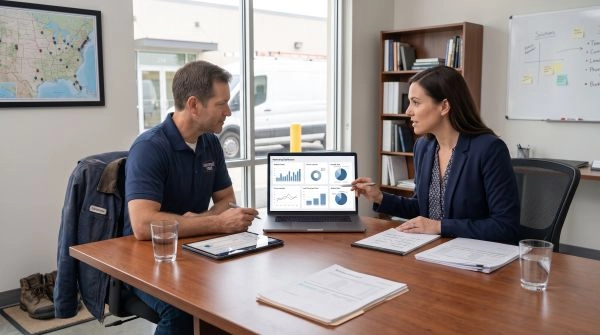
Understanding when to call in expert assistance is an element of operating a solid in-home business. It’s not about relinquishing control. It’s about ceasing to spend time and money on lead generation that has reached its plateau.
Recognize when your internal resources are maxed out and growth has stalled
Warning signs appear in your week. You’re still answering the phone, sending quotes, dealing with crews and attempting to post on social media at night. Leads roll in, then go silent. You have months that are booked solid and then mysterious lulls. Your cost per lead keeps going up, but revenue is flat.
This frequently reflects what your own clients are dealing with. A homeowner who doesn’t know how large a repair is might attempt a small DIY patch, then give up when they realize it’s more than a quick job. They call in a pro to prevent expensive errors or hazards. You can treat your lead problem the same way: if you have tried the obvious fixes and still see no steady growth, internal effort is likely maxed out.
Consider professional support to audit your marketing systems and identify missed opportunities
An expert audit separates what’s working and what’s wasting budget and what you’re missing. This could be your website, tracking set-up, ad accounts, and call handling. Many home services firms discover that leads do come in, but calls go to voicemail, forms don’t send alerts, or tracking is so bad they speculate which channel works.
It’s like a homeowner who doesn’t know the right direction for a project or the actual cost. They call in a licensed electrician or plumber for a definitive estimate and to find out what is safe to do. A marketing audit provides you that same clarity on channels, dissipation, and next steps.
Leverage expert help to automate follow-up, improve online visibility, and convert more leads
Agencies that know home services often start with simple fixes: set up automatic text replies when a form is filled, use email and SMS to follow up quotes, and add clear calls to action on every page. This helps you seize leads from busy homeowners who do not have time to call during work hours or want to schedule a visit in just a few clicks.
Expert can enhance search and reviews. When we have water damage or an electrical fire, we search online and call the first reliable result we find. Being visible in search, with compelling reviews and well-designed service pages, can be what wins or loses you the job.
Partner with a marketing agency that specializes in home service businesses to build sustainable lead generation systems
A specialized agency knows that your “product” is safe and provides on-time work, not a long sales cycle. They create systems that align with when people schedule plumbers, roofers, HVAC technicians, or remodelers. This encompasses campaigns for quick emergency work and for bigger scheduled projects, such as full renovations that require permits and inspections.
That same agency should help you speak to different types of homeowners: those who dislike DIY and want a pro from day one, those short on time who trade money for speed, and those planning big projects who care about timing, budget, and quality. With the right partner, your lead flow begins to appear less sporadic and more like a predictable pipeline that you can schedule staff and cash flow around.
Conclusion
Home service leads don’t fall from the sky. They arise from obvious sequential steps that build upon one another. Robust online profiles. Joyous return customers. Quick follow up. Genuine trust on site.
Everything in your day can make or break leads. It can lose a job or a slow reply. A tidy van can get you a lead. Transparent pricing soothes fear. A tiny text can revive an ancient client.
No one closes every lead gap in a single week. Select a single point from this guide and implement a minor modification. Test, track, and tweak. Then go on to the next. For starters, pick a channel, a script, or a follow-up habit and put it to work today.
Frequently Asked Questions
Why is my home service business not getting enough leads?
So many home service businesses lose leads because they are online weak, slow, and unclear. Begin with your site and business listings and respond quickly to each one. Little tweaks in these areas tend to provide rapid, quantifiable increases in lead volume.
How can I maximize my digital presence for more home service leads?
Focus on three areas: a fast, mobile-friendly website, strong local SEO, and active business profiles. Employ transparent service pages, genuine pictures, and customer testimonials. This creates trust and gets you more form submissions and calls while helping you rank higher in search.
How can I use my existing customers to generate more leads?
Request happy customers to leave online reviews and referrals. Follow up after every job with a quick review and referral request. Provide small bonuses if possible. Good word-of-mouth and social proof directly increase trust and conversion rates for new leads.
What should I do to turn more inquiries into booked jobs?
Respond fast, like within minutes. Employ scripts that include specific price ranges, next step, and appointment options. Address objections head on. Rapid and transparent communication makes your business appear trustworthy and professional, which converts more leads into customers.
How can I build trust beyond my digital presence?
Support your online persona with offline actions. Show up on time, wear logo’d t-shirts, drive logo’d vehicles, and speak plainly on-site. Drop a brochure or a quick note. Expert in-home experience leads to return business and referrals.
When should I hire an expert to help with lead generation?
Think pro assistance when you’re too busy to deal with marketing, your lead flow has plateaued or you’re spending on advertising without knowing if it works. An expert will audit your funnel, optimize tracking and configure reliable, scalable sources of leads.
What are the most effective channels for home service leads?
Top performers tend to be GBP, local SEO, search ads, and referrals. Try one or two channels at a time, measure cost per lead, and put more behind what converts. Data-driven decisions typically generate higher quality and lower cost leads.